 Manufacturer
Boar's Head
Federal records link Boar's Head deli meats to a Listeria outbreak and recall. This profile covers the investigation, inspection findings, and legal options.
1 tracked outbreak
61 reported illnesses

Taco Bell Cyclospora
29000 national cases across 48 states
Learn More: Taco Bell CyclosporaWe hold major food companies accountable when they fail to protect consumers. Find the brand linked to your illness, review what investigators documented, and get a free case evaluation.
Company Lawsuit Index
Foodborne illness investigations often identify a named restaurant, manufacturer, producer, retailer, or product brand. This index brings those company records together so documented outbreaks, affected products, reported illnesses, and related legal developments can be reviewed in one place.
Every profile is built from the company's documented outbreak history and cites public-health agencies, court records, or other primary reporting where available. A company's inclusion means it appears in those records. It is not, by itself, a finding of legal liability.
The Boar's Head profile, for example, documents the 2024 Listeria deli-meat outbreak and connects the company record to the underlying outbreak evidence.
CDC, FDA, USDA, and state or local health records associated with the company.
The products, restaurants, facilities, or supply-chain role identified in each event.
Whether the public-health investigation is active, reopened, or closed, kept separate from legal intake status.
Company Directory
Browse factual profiles covering documented outbreaks, affected products, public-health findings, and related legal developments. Card counts reflect outbreak records currently published in our tracker.
ManufacturerFederal records link Boar's Head deli meats to a Listeria outbreak and recall. This profile covers the investigation, inspection findings, and legal options.
 Manufacturer
CDC and FDA records link ByHeart powdered formula to an infant botulism outbreak. This profile covers the investigation, recall, and legal options for affected families.
 RestaurantCurrent Investigation
Federal records document E. coli and Norovirus outbreaks at Chipotle, and CDC linked a 2026 Salmonella outbreak in 32 states to recalled jalapeños it served. This profile covers the evidence and legal options.
 Manufacturer
Federal records link recalled Live it Up Super Greens products to a Salmonella outbreak. This profile covers current findings and legal options for affected consumers.
 Restaurant
Public-health records document Cyclospora and E. coli outbreaks linked to McDonald's food products. This profile covers the findings and legal options for affected customers.
 RestaurantCurrent Investigation
CDC and FDA identified QDOBA as one of two chains that received jalapeño peppers recalled in a 2026 Salmonella outbreak. This profile covers what the agencies found and your legal options.
 Manufacturer
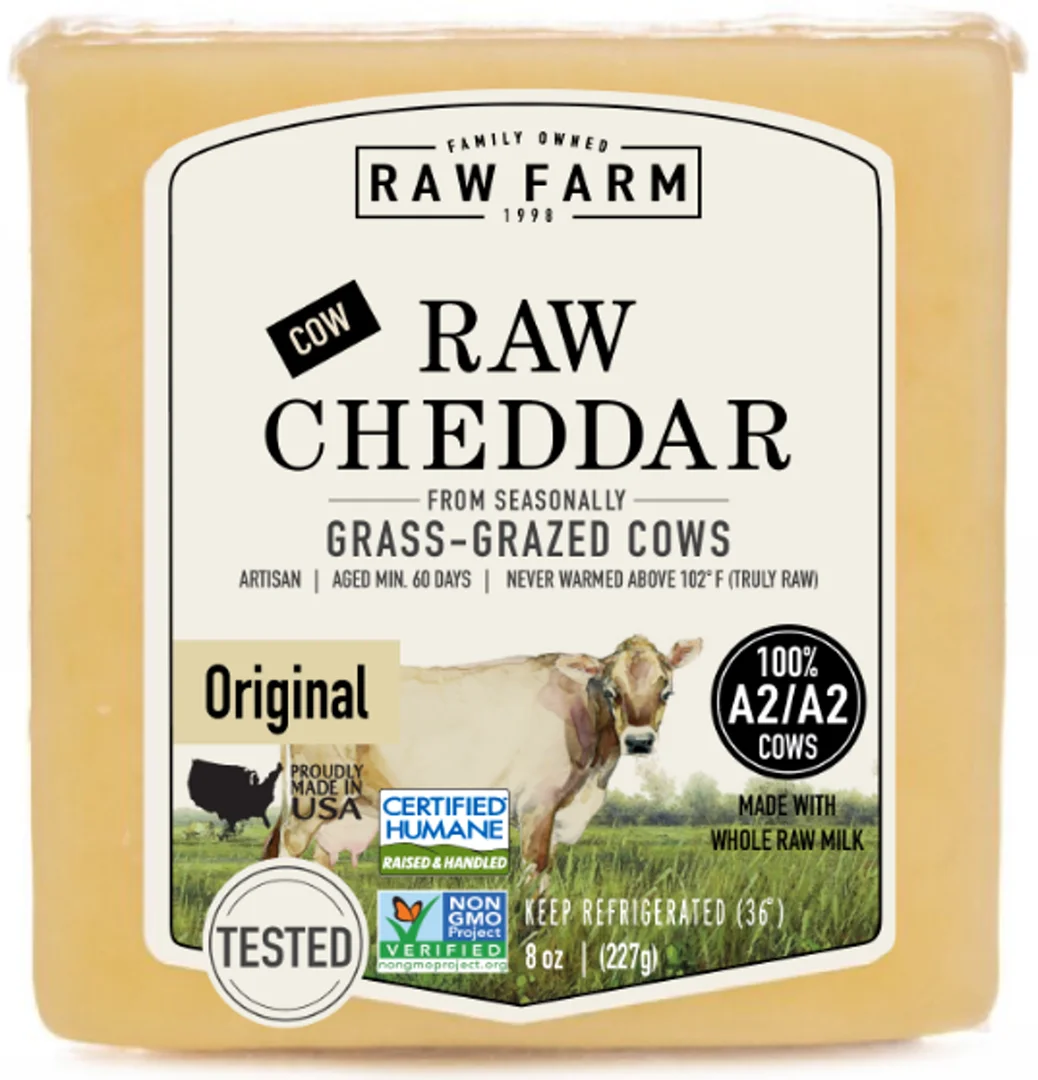
FDA and CDC records link Raw Farm raw cheddar cheese to an E. coli outbreak and recall. This profile covers the findings and legal options for affected consumers.
 RestaurantCurrent Investigation
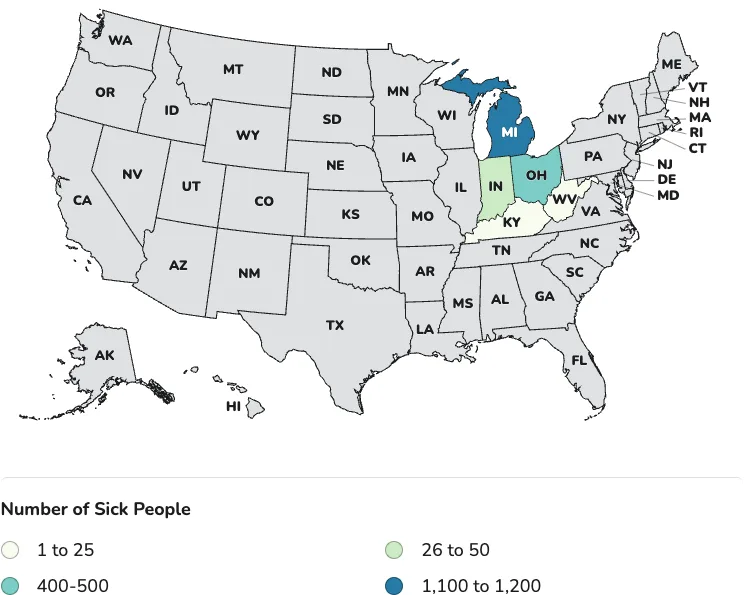
The CDC linked shredded iceberg lettuce served at Taco Bell to a 2026 Cyclospora outbreak that now spans 17 states. This profile covers the findings and legal options for people who got sick.
ProducerCurrent InvestigationFDA identified Taylor Farms de Mexico as the lettuce supplier in the 2026 Taco Bell Cyclospora outbreak. This profile distinguishes the federal finding from the entities named in the lawsuit.
Current Public-Health Status
Active and reopened outbreak records tied to a company in this index show the pathogen, reported illnesses, and current public-health status.
Source: Jalapeño peppers grown in Sinaloa, Mexico
Investigation status reflects public-health reporting. It is not a finding of legal liability.
Start with your diagnosis instead. Our attorneys handle cases involving every major foodborne pathogen.
Looking for a specific outbreak? View the Outbreak Tracker
Need information specific to your state? Browse Food Poisoning Information by State
How Investigators Find the Source
Health officials do not link a company to an outbreak from one complaint alone. CDC says investigators use three kinds of evidence: epidemiologic patterns, supply-chain traceback, and food or environmental testing. A restaurant, manufacturer, supplier, or product is identified when those records point to a common source.
No single clue does all the work. CDC explains that genetic sequencing is only one part of an investigation, and a negative food sample does not prove a product was never contaminated. Investigators weigh the full record before publicly identifying a source.
For many bacterial illnesses, public-health laboratories sequence the germ from each patient's sample. PulseNet compares those DNA fingerprints nationwide. A close genetic match can show that illnesses belong to the same outbreak, but it does not identify the food by itself.
Health departments ask what people ate, where they bought food, and which restaurants they visited during the likely exposure period. Investigators compare those answers to find an ingredient, location, or product reported more often than expected.
Once a food is suspected, FDA, USDA, or state regulators review receipts, lot codes, invoices, and distribution records. They follow the product from a home or restaurant through distributors, processors, packers, and farms to find a common point in the supply chain.
Investigators may test leftovers, recalled products, equipment, or production environments and inspect how the food was handled. Finding the outbreak strain in a food or facility can strengthen the link and support a recall or public warning.
Public-health findings and court rulings serve different purposes, but investigation records can matter in a food poisoning lawsuit. A food poisoning lawyer may compare the outbreak strain and illness dates with medical records, stool-culture results, receipts, card statements, order history, and witness accounts. Those facts can help identify which restaurant, manufacturer, processor, distributor, or supplier should be investigated. If the evidence supports a claim, compensation may be available for medical bills, lost income, and other losses. Results vary by case.
How Food Poisoning Claims Are EvaluatedIf you were sickened by a food product from any restaurant or company, our attorneys can help. Contact us for a free case evaluation.