


HUS Lawsuit
Hemolytic Uremic Syndrome (HUS) Lawyer
Hemolytic uremic syndrome can turn a stomach bug into kidney failure within days, most often in young children after an E. coli infection. If a contaminated food caused it, you may have a legal claim. Talk to a HUS lawyer for free.
Were You Affected?
Answer a few quick questions to help us understand your situation.
Years of Experience
Upfront Cost
Were you or a family member diagnosed with Hemolytic Uremic Syndrome (HUS)?
A diagnosis from a doctor or hospital strengthens your case. Medical records are key evidence.
Did the condition require hospitalization or ongoing treatment?
Dialysis, rehabilitation, specialist care, or long-term medication all count.
Was it linked to a foodborne infection such as E. coli, Salmonella, or Campylobacter?
A confirmed infection before the diagnosis helps connect your injury to a food source. Choose the closest answer if you are unsure.
Did the condition develop within a few weeks of the infection?
These complications usually appear days to weeks after the original illness. An approximate timeline is fine.
Prefer to speak with someone?
1-888-335-4901Cause
Foodborne Infections That Can Cause Hemolytic Uremic Syndrome (HUS)
Hemolytic Uremic Syndrome (HUS) does not appear on its own. It develops after a foodborne infection, and the pathogens below are the infections most often linked to it. If you were diagnosed after one of these infections, you may have a claim against the company that sold the contaminated food. Select a pathogen to see how those cases are built.
Shiga toxin-producing E. coli causes the large majority of foodborne HUS, with Shigella dysenteriae type 1 a rarer bacterial trigger. Rarer non-foodborne forms exist too, such as an inherited complement disorder or a Streptococcus pneumoniae infection, but these food cases turn on the pathogens above.
Overview
Understanding Hemolytic Uremic Syndrome (HUS)
Hemolytic uremic syndrome is the injury that separates serious E. coli cases from ordinary food poisoning. A child eats a contaminated meal, comes down with bloody diarrhea, and roughly a week later the Shiga toxin reaches the kidneys. Red blood cells break apart, the platelet count crashes, and the kidneys stop filtering. What started as a stomach illness becomes emergency dialysis, transfusions, and intensive care that can stretch for weeks. If that happened to your family and a contaminated food was the cause, you may have a legal claim, and the time to protect it is now.
Why HUS cases are serious and time-sensitive
HUS is a medical emergency, and it is also a high-stakes legal injury. The Centers for Disease Control and Prevention reports that about 8 in 10 children who develop HUS have a Shiga-toxin-producing E. coli infection behind it, and HUS develops in roughly 5 to 10 percent of STEC infections. It is the leading cause of acute kidney failure in young children. The damage does not always stay in the past. A 2024 study following STEC-HUS survivors for a decade found that about a third still showed kidney problems at the 10-year mark, including reduced kidney function in about a quarter of them, along with proteinuria and high blood pressure. That long tail is exactly why a claim like this cannot be valued on the first hospital bill alone. It has to account for a lifetime of monitoring, and sometimes for a transplant that may not be the last.
The evidence, on the other hand, does not wait. The proof these cases turn on starts disappearing within weeks. Health departments discard stool samples, companies overwrite production and shipping records, and what a family ate in the days before the illness fades from memory. A stool culture confirming Shiga toxin is some of the strongest evidence a case can have, and keeping it depends on acting before it is gone. This is the core reason to reach a lawyer early. It is not about pressure. It is about preserving the facts that decide whether a claim can be proven at all.
What causes HUS
Almost every HUS case in the United States traces back to Shiga toxin, and almost all of it comes from STEC E. coli, especially the O157:H7 strain. The toxin attacks the small blood vessels that feed the kidney's filters, and the kidneys take the brunt of the harm. Common sources are the ones that drive most E. coli outbreaks: contaminated ground beef, leafy greens, raw milk, sprouts, and untreated water.
There is one other Shiga-toxin source worth naming. Shigella dysenteriae type 1 produces the same toxin and can cause HUS as well. That serotype is very rare in the United States, so STEC accounts for virtually all diarrhea-associated HUS here, but it matters for cases tied to international travel or imported exposure. Ordinary domestic Shigella infections, the kind that cause most U.S. shigellosis, are not the Shiga-toxin type that drives HUS.
One point of guidance from the CDC carries both medical and legal weight. The agency advises against treating E. coli O157 infections with antibiotics or anti-diarrheal medicine, because in this infection they can raise the risk of HUS rather than lower it. When a provider gives those medicines anyway and HUS follows, that decision can become part of the story a case has to examine.
What a HUS claim can cover, and who is responsible
A claim like this accounts for far more than the first admission. Compensation can cover emergency care, dialysis, transfusions, surgery, and a kidney transplant, along with the long-term monitoring that survivors need because the kidney damage can surface years later. It can include lost wages, a parent's lost income while caring for a sick child, and the toll the illness takes on a family. In cases involving permanent kidney damage or a child's death, a claim reflects the full and lasting scale of that harm. Because the value of any case turns on how severe and how permanent the injury is, documenting every step of treatment matters from the start.
Responsibility rarely rests with one company. Depending on where contamination entered the supply chain, a claim can reach the grower or rancher, the processor or slaughterhouse, the distributor, and the restaurant or grocery chain that sold the product. A retailer that kept selling a recalled item can share liability with the producer. Sorting out every responsible party is not busywork. It often decides how much insurance coverage exists to compensate a victim, and it takes a close reading of recall notices, inspection records, and genetic traceback data to do it right.
Why this firm
Ron Simon & Associates has represented children who developed HUS after STEC infections and has resolved pediatric STEC-HUS matters, including settlements of $13.246 million, $7.53 million, and $5.067 million. Firm-wide, our food poisoning law firm has recovered more than $850 million for food poisoning victims across more than 6,000 clients, with more than 55 years of combined experience devoted to foodborne illness litigation in all 50 states. Past results do not guarantee what any future case will bring, and no honest lawyer would promise otherwise. What they reflect is a practice that understands both the medicine and the long-term costs these injuries carry. If your child was diagnosed with HUS, contact us for a free case evaluation. You pay nothing unless we recover compensation for you.
Diagnosed with Hemolytic Uremic Syndrome (HUS)?
Our attorneys offer free, confidential case reviews for victims living with long-term injuries from food poisoning.
Talk to a lawyerMedical Overview
Hemolytic Uremic Syndrome (HUS): What You Need to Know
Key facts that may be relevant to your case
Warning Signs
Seek care immediately
Falling urine output is the hallmark warning sign that the kidneys are failing and the child needs emergency care.
Loss of color in the cheeks and lower eyelids, with extreme tiredness, as red blood cells are destroyed.
Easy bruising and small red skin spots reflect a dangerously low platelet count.
Visible or microscopic blood signals acute injury to the kidney's filtering vessels.
Confusion, drowsiness, or seizures can follow when the toxin reaches blood vessels supplying the brain.
Puffiness in the face, hands, or feet as failing kidneys retain fluid.
Affected System
Kidneys and blood (renal and hematologic), with secondary damage to the brain, pancreas, and heart in severe cases
Typical Onset
Typically about 5 to 10 days after diarrhea begins, often as the diarrhea is improving
Most at Risk
Long-Term Effects
- Chronic kidney disease developing in up to one-third of survivors over 10 years
- Reduced glomerular filtration rate in roughly a quarter of survivors
- Persistent proteinuria
- Long-term high blood pressure requiring lifelong medication
- Dialysis dependence or kidney transplant in the most severe cases
HUS develops in roughly 5% to 10% of STEC infections, and about 8 in 10 children with HUS have a STEC infection
Results
$850M+ recovered for food poisoning victims
Our firm has recovered more than $850M+ for over 6,000+ food poisoning victims across all 50 states. We document the full cost of a long-term injury, including future care, lost earning capacity, and reduced quality of life.
5 year old boy and 7 year old girl who developed hemolytic uremic syndrome from E. coli poisoning
6 year old girl who developed hemolytic uremic syndrome from E. coli poisoning
4 year old boy who developed hemolytic uremic syndrome from E. coli poisoning
Why Us
Trusted Food Poisoning Injury Attorneys
When a foodborne infection leaves you with a lasting injury, you need attorneys who understand the medicine and the food supply chain. We do this work and only this work.
Exclusive Focus
We handle food poisoning cases and nothing else. That focus means we know how a foodborne infection turns into a long-term injury and how to prove it.
Proven Track Record
$850M+ recovered for food poisoning victims nationwide. We have the results to back our reputation.
National Reach
Accepting cases in all 50 states. We can represent you no matter where you live or where you got sick.
No Upfront Costs
You pay us nothing unless we win. We advance every cost so you can focus on recovery.

Our Process
How We Can Help
A clear process for documenting a long-term injury and securing full compensation.
Free Case Review
Tell us what happened. We review your diagnosis and the infection behind it at no cost and explain your options.
Investigation & Evidence
We gather medical records, connect your Hemolytic Uremic Syndrome (HUS) diagnosis to the foodborne infection, and identify every responsible party.
Maximum Recovery
We fight for full compensation, including future medical care, lost earning capacity, and the lasting impact on your life.
Our Promise to You
Average Case Timeline
Related Outbreaks
Outbreaks Linked to Hemolytic Uremic Syndrome (HUS)
These outbreaks are linked to confirmed cases of Hemolytic Uremic Syndrome (HUS). If you were affected by one of them, you may be entitled to compensation.
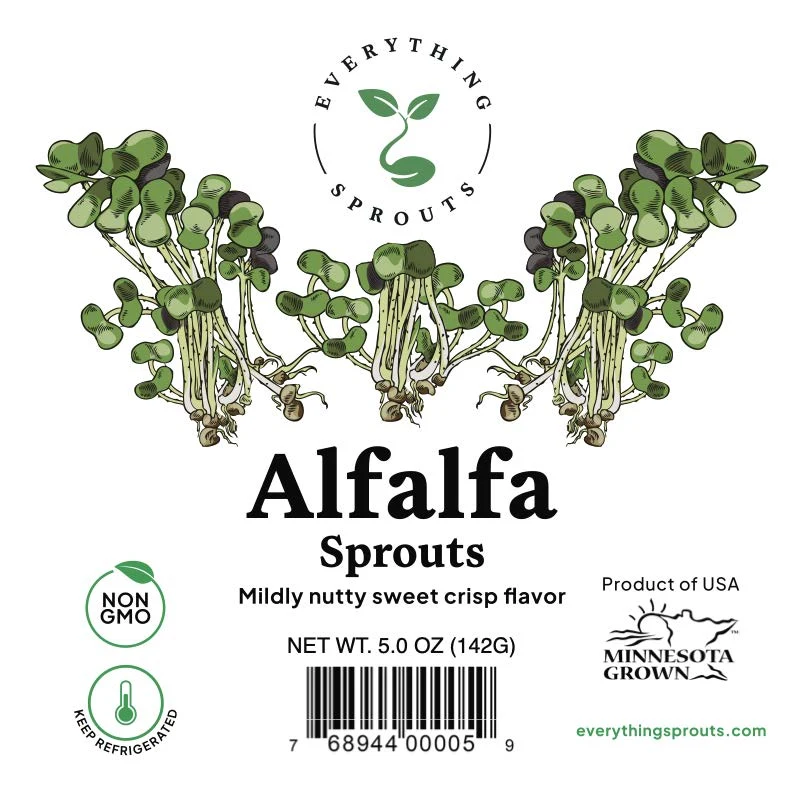
Alfalfa Sprouts E. coli and Salmonella Lawyer
Alfalfa sprouts, including recalled Calco and Everything Sprouts products
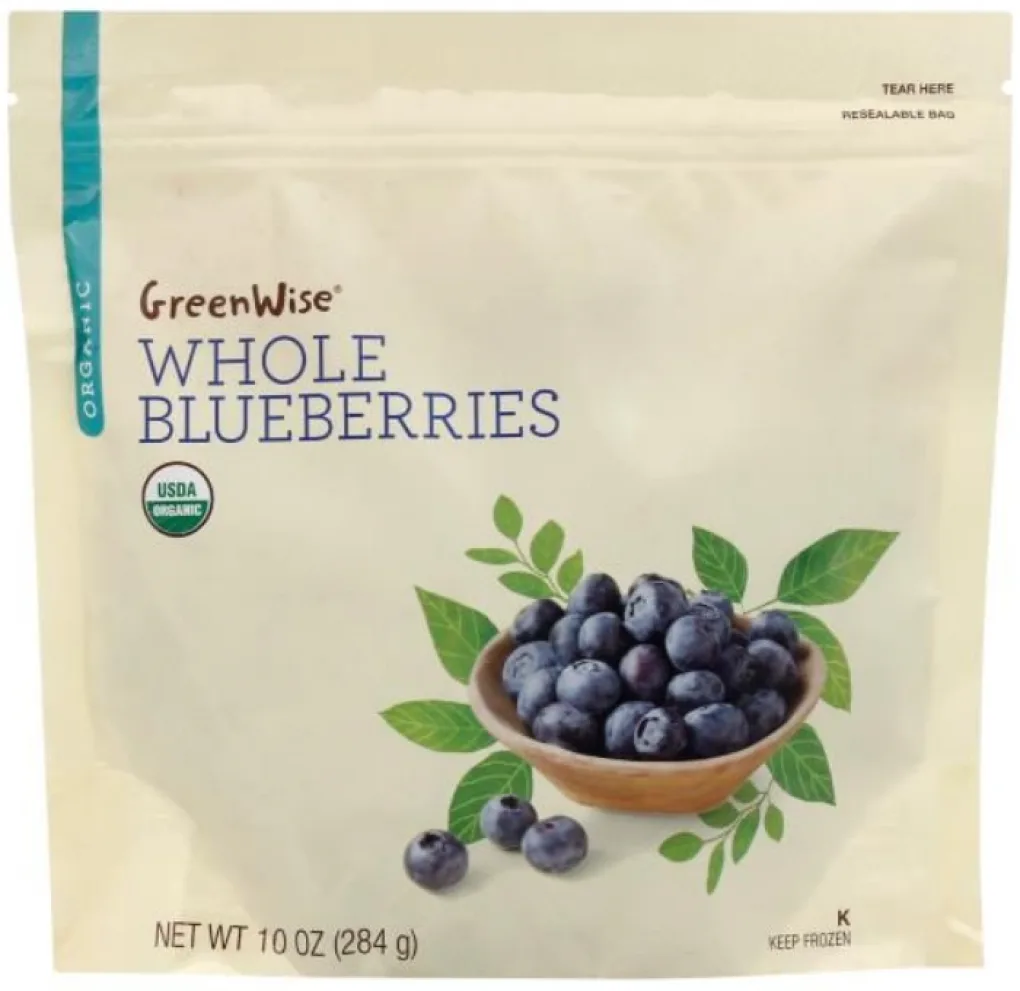
Publix GreenWise Blueberries E. coli Lawyer
Publix GreenWise Blueberries

The Kebab Shop E. coli Lawyer
The Kebab Shop Beef Kofta
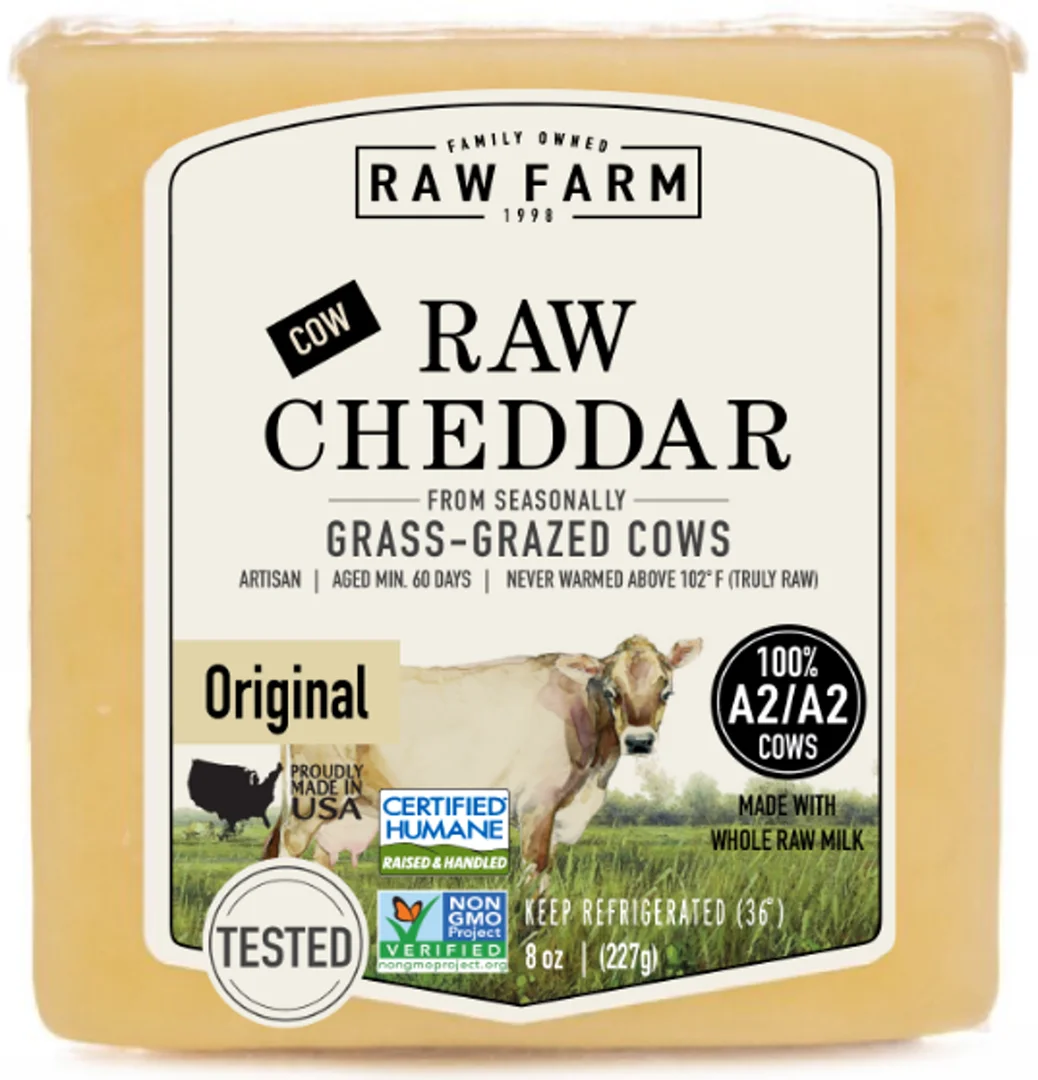
Raw Farm Cheddar Cheese E. coli Lawyer
Raw Farm Raw Cheddar Cheese
Were you affected by one of these outbreaks?
Our attorneys offer free, confidential case reviews for outbreak victims and their families.
Explore related conditions and pathogens
FAQ
Hemolytic Uremic Syndrome (HUS) Lawyer FAQ
Answers to common questions about Hemolytic Uremic Syndrome (HUS) claims, what your case may involve, and how the legal process works.
Sources & Citations
Information on this page is compiled from the following authoritative sources:
Government Sources
- Signs of Hemolytic Uremic Syndrome
Centers for Disease Control and Prevention
- About Escherichia coli Infection
Centers for Disease Control and Prevention
Medical Sources
- Hemolytic uremic syndrome and death in persons with Escherichia coli O157:H7 infection, FoodNet sites, 2000-2006
Clinical Infectious Diseases (FoodNet)
- Enterohaemorrhagic Escherichia coli and Shigella dysenteriae type 1-induced haemolytic uraemic syndrome
Pediatric Nephrology / NIH PMC
- Shiga Toxin-Producing E. coli and the Hemolytic-Uremic Syndrome
New England Journal of Medicine
This content is provided for informational purposes only and does not constitute legal advice. Information is current as of the date accessed. For the most up-to-date outbreak information, please consult official CDC and FDA websites.
Injured by Hemolytic Uremic Syndrome (HUS)?Talk to a lawyer today.
A long-term injury from a foodborne infection can mean years of treatment and lost income. Find out what your case may be worth in a free, confidential review.