
Company Overview
About McDonald's
Public-health records have connected food served at McDonald’s locations to several outbreaks. The events did not all have the same cause. Some involved a contaminated ingredient supplied to restaurants, while others involved food handling at individual locations. That difference matters because a food poisoning claim follows the evidence through the restaurant and its supply chain.
The 2024 E. coli Outbreak
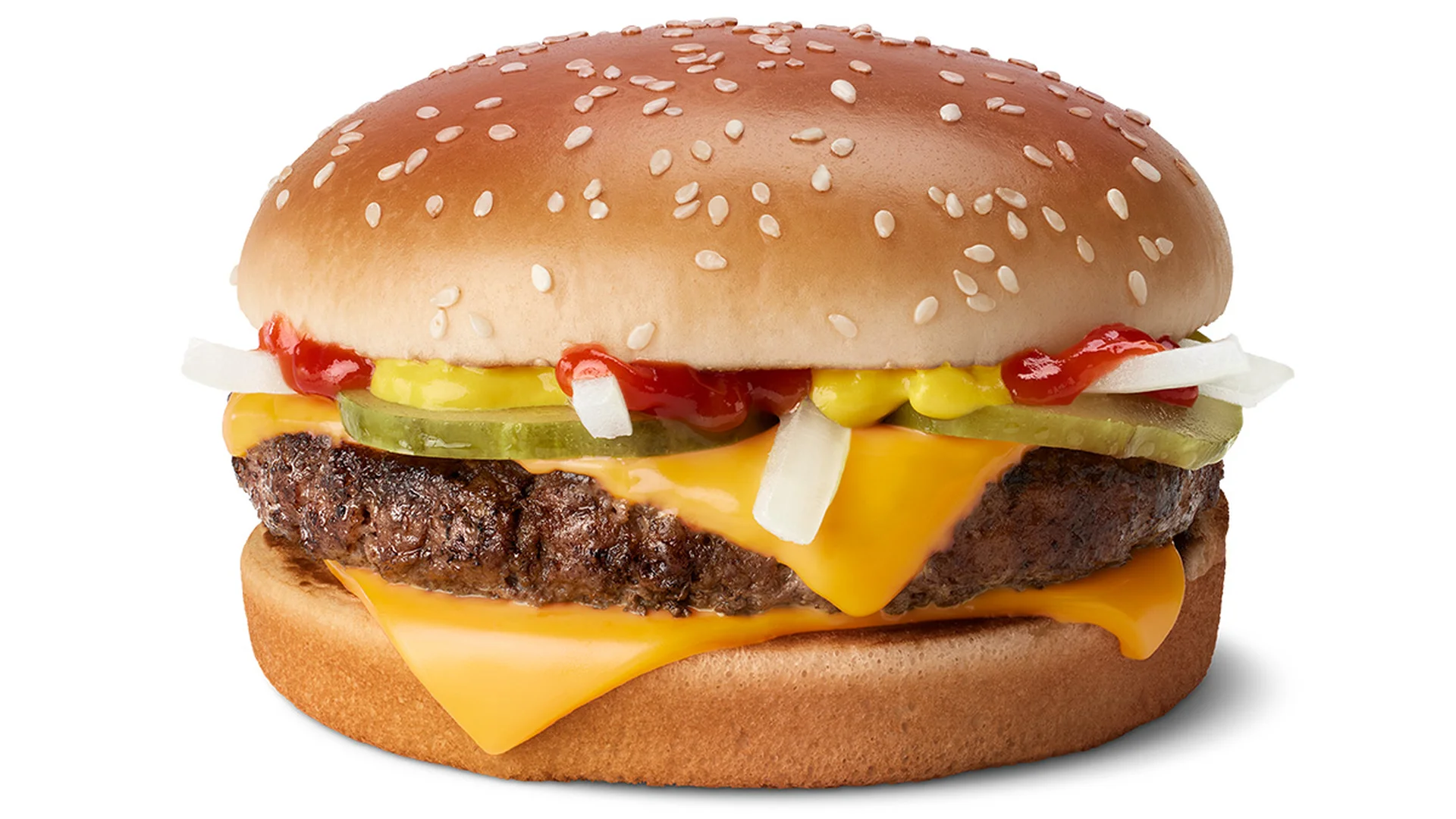
CDC and FDA traced 104 E. coli O157:H7 illnesses in 14 states to fresh slivered yellow onions served on McDonald’s Quarter Pounders. Thirty-four people were hospitalized, four developed HUS, and one person died. Taylor Farms recalled onions sent to McDonald’s and other food-service customers, and CDC declared the outbreak over on December 3, 2024. The individual event is covered in our McDonald’s E. coli outbreak page.
Other Documented Incidents
CDC also investigated a multistate Cyclospora outbreak linked to salads sold at McDonald’s in 2018. Restaurant outbreaks can begin with a supplier, a processing step, transportation, storage, or food handling at a location. Traceback records, interviews, testing, and purchase history help investigators determine which part of that chain is supported by the evidence.
Your Legal Options
A claim is strongest when medical records, a confirmed pathogen, proof of the McDonald’s purchase, and the illness timeline point to the same source. A government outbreak notice can help, but it does not replace the evidence from the individual case. Learn more in our E. coli lawyer guide, or request a free review if you became ill after eating at McDonald’s.