


Nationally Recognized Salmonella Attorneys
Salmonella Lawyer
Salmonella can cause severe illness and, for some people, lasting digestive or joint problems. If you or a family member became ill and suspect contaminated food, our Salmonella lawyers can review what happened. You don't need a confirmed outbreak connection to ask. The consultation is free, and you pay nothing unless we recover compensation for you.
Were You Affected?
Answer these quick questions to organize the facts for a free attorney review. This form is not legal advice and does not predict an outcome.
Years of Experience
Upfront Cost
Were you diagnosed with Salmonella by a doctor or through a lab test?
A positive stool culture or lab test significantly strengthens your case.
Did you require medical treatment, hospitalization, or ongoing care?
Medical documentation is crucial evidence for your claim.
Can you identify where you likely ate the contaminated food?
Receipts, photos, or linking to a known outbreak helps establish liability.
Were you contacted by the health department about your illness?
Health department contact often indicates a confirmed outbreak investigation.
Prefer to speak with someone?
1-888-335-4901Medical Overview
Salmonella Food Poisoning: What You Need to Know
If Salmonella made you or your child sick, our attorneys can help investigate whether contaminated food was responsible. A test result, illness timeline and purchase history can help, but you don’t need every record or a confirmed outbreak link to ask for a free review. Ron Simon & Associates represents people facing the medical bills, missed work and lasting effects of Salmonella food poisoning.
When should you contact a Salmonella lawyer?
You can contact us while you’re receiving treatment or waiting for results. A positive test, health-department interview or recall notice may give us a starting point. If you’re unsure what caused the illness, explain what happened and we’ll review the information available. A consultation doesn’t obligate you to hire the firm or file a lawsuit.
Medical care comes first. CDC advises contacting a doctor for diarrhea or vomiting lasting more than two days, bloody stool, fever above 102°F or signs of dehydration. If you’re pregnant, contact your clinician promptly about symptoms or a known exposure.
How we investigate the food source
Salmonella can come from poultry, eggs, produce, raw dairy and other foods, including supplements. One contaminated ingredient may reach several brands or restaurants. The last meal you ate isn’t necessarily the source, because symptoms usually begin six hours to six days after infection.
Our lawyers review medical and exposure records alongside public-health findings. Laboratory testing can identify Salmonella, and a follow-up culture may let public-health laboratories compare the bacteria with other cases. Matching bacteria helps connect illnesses, but food histories and traceback evidence are still needed to investigate the source.
A recall is useful evidence, not proof of every element of a claim. Depending on the facts and applicable law, responsibility may involve a producer, manufacturer, distributor, restaurant or retailer.
Records that can help your review
Start with what you already have:
- Test results, discharge papers and treatment bills
- Receipts, loyalty-card history or delivery orders
- Notes about meals, symptoms and missed work
- Product-label photos, if you can take them safely
- Correspondence from your health department
Report suspected food poisoning to your health department. For remaining food, follow the recall notice or health department’s handling and disposal instructions. Don’t eat suspected contaminated food or freeze and store it solely to collect legal evidence. Missing food or packaging doesn’t prevent a consultation.
When symptoms don’t end with the initial infection
Some people continue to have digestive problems after Salmonella. Others develop reactive arthritis, which causes joint pain that may last months or years, or post-infectious IBS. Invasive infections can spread beyond the intestines and need additional treatment.
Drug resistance can also complicate care. The 2026 Rosabella moringa outbreak involved an extensively drug-resistant Salmonella Newport strain. The treating clinician determines which treatment is appropriate.
Keep records of persistent symptoms, follow-up care and work restrictions. A Salmonella claim may seek treatment costs, lost income, pain and other losses allowed by law, including future care when supported by the medical evidence. There is no standard value for a diagnosis.
Our Salmonella outbreak record
Ron Simon & Associates filed the nation’s first lawsuits in the 2025 August Egg Company outbreak and the Aladdin Mediterranean Cafe outbreak. We also filed the first lawsuit in the Live It Up Super Greens outbreak, on behalf of a man who became ill the day after his first child was born.
We’re reviewing inquiries involving the Midwest Poultry Services egg outbreak and the 2026 Salmonella Javiana outbreak linked to jalapeños. FDA identified Chipotle and QDOBA as recipients of affected peppers. Both chains removed them, and FDA reports no current ongoing risk at either restaurant from that outbreak.
Filing deadlines and the cost of contacting us
The filing deadline depends on state law and the circumstances. Ask about your deadline rather than waiting for a public-health investigation to finish. Our Salmonella lawyers can review your situation and explain the next step. The consultation is free, and you pay us nothing unless we recover compensation for you.
Exposed to Salmonella?
Our attorneys offer free, confidential case reviews for food poisoning victims.
Get Your Free Case ReviewMedical Reference
Understanding Salmonella
Key facts that may be relevant to your case
Symptoms
What to watch for
Onset Time
6 hours to 6 days
After exposure
High-Risk Groups
Common Sources
Get medical care now if you have a high fever, bloody diarrhea, signs of dehydration, or diarrhea or vomiting lasting more than two days. Salmonella can spread beyond the gut and is most dangerous for infants, older adults, and people with weakened immune systems.
Understanding the Risks
Long-Term Salmonella Complications
Salmonella food poisoning can cause lasting health problems that extend far beyond the initial illness. Understanding these complications is crucial when evaluating your legal options and potential compensation.
Reactive Arthritis
Joint pain and swelling that can develop weeks after infection and persist for months or years. Affects 2 to 10% of Salmonella patients, with the highest risk in those carrying the HLA-B27 genetic marker.
Post-Infectious IBS
Irritable bowel syndrome can develop after Salmonella infection, causing chronic abdominal pain, bloating, and altered bowel habits lasting years.
Bacteremia & Sepsis
In severe cases, Salmonella can enter the bloodstream, causing life-threatening infection of organs, bones, and joints requiring extensive hospitalization.
Chronic Carrier State
Some patients become long-term carriers, shedding bacteria for months and facing employment restrictions in food service industries.
What This Means for Your Case
- Future medical expenses for ongoing treatment, specialist visits, and monitoring
- Lost earning capacity if complications affect your ability to work
- Pain and suffering for chronic conditions and reduced quality of life
- Compensation for permanent disability or organ damage
Experienced with Complex Cases
Our attorneys understand how to document long-term damages and pursue the full value of your claim for lasting injuries.
Discuss Your CaseLong-term complications of Salmonella
Some Salmonella infections lead to serious, lasting injuries with their own legal considerations. Learn what they can mean for a claim.
Source
CDC - SalmonellaProven Results
$850M+ Recovered
Our attorneys have handled over 6,000+ food poisoning cases, including Salmonella, recovering hundreds of millions for victims and their families.
65 adults who contracted salmonella poisoning from food product
57 adults who contracted salmonella poisoning from food product
120 adults who contracted salmonella poisoning from food product
Past results do not guarantee future outcomes. Each case depends on its own facts and applicable law.
Why Choose Us
Why Salmonella Victims Choose Our Firm
When you're facing a serious illness from food poisoning, you need attorneys who have dedicated their careers to these cases. Here's why families across America trust us.
Exclusive Focus
We focus exclusively on food poisoning cases. Our deep knowledge of Salmonella litigation gives you a significant advantage.
Proven Track Record
Over $850M+ recovered for food poisoning victims nationwide, including Salmonella cases. We know how to build these cases effectively.
Resources & Team
Our firm has the resources to take on major corporations and fast-food chains, with experts on call.
No Upfront Costs
We work on contingency. You pay us nothing unless we win your case. No upfront attorney fee risk to you.

How It Works
From Your First Call to Your Case
Tell us what happened. We'll explain what information may help and what pursuing a claim could involve.
Free Case Review
Share what you ate, when you became ill, and any records you have. You can contact us without a confirmed diagnosis or every test result.
Investigation & Filing
We work with epidemiologists, review health department traceback data, and identify every liable party in the supply chain before filing your claim.
Settlement or Trial
Most food poisoning cases settle. When defendants refuse fair compensation, we take them to court. You pay us nothing unless we win.
Our Promise to You
Outbreak Information
Related Salmonella Outbreaks
Find information about current and past Salmonella outbreaks, including whether we are accepting inquiries.

Leaping Bear Farm Eggs Salmonella Lawyer
Leaping Bear Farm Eggs
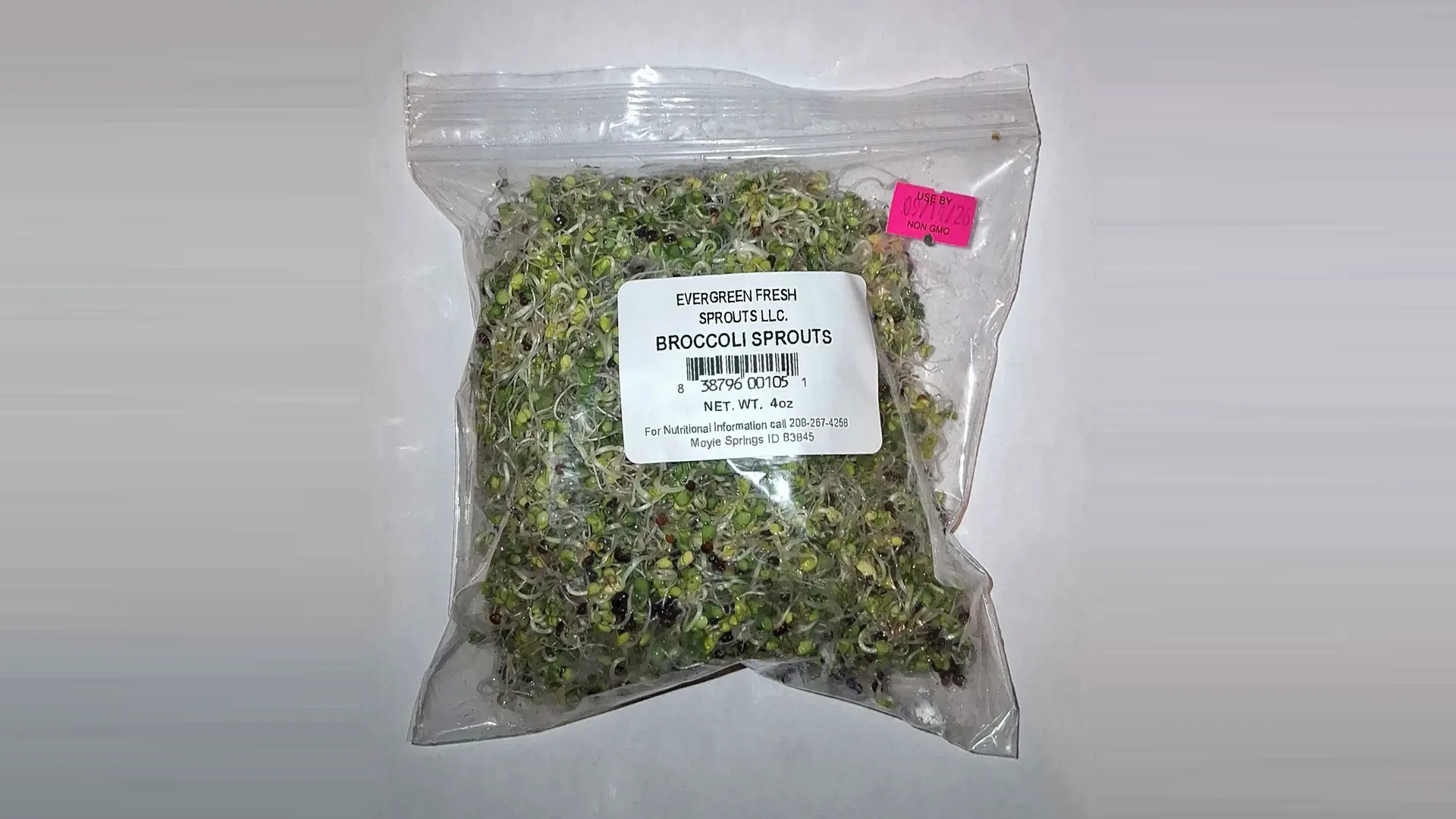
Evergreen Fresh Broccoli Sprouts Salmonella Lawyer
Broccoli sprouts grown by Evergreen Fresh Sprouts, LLC
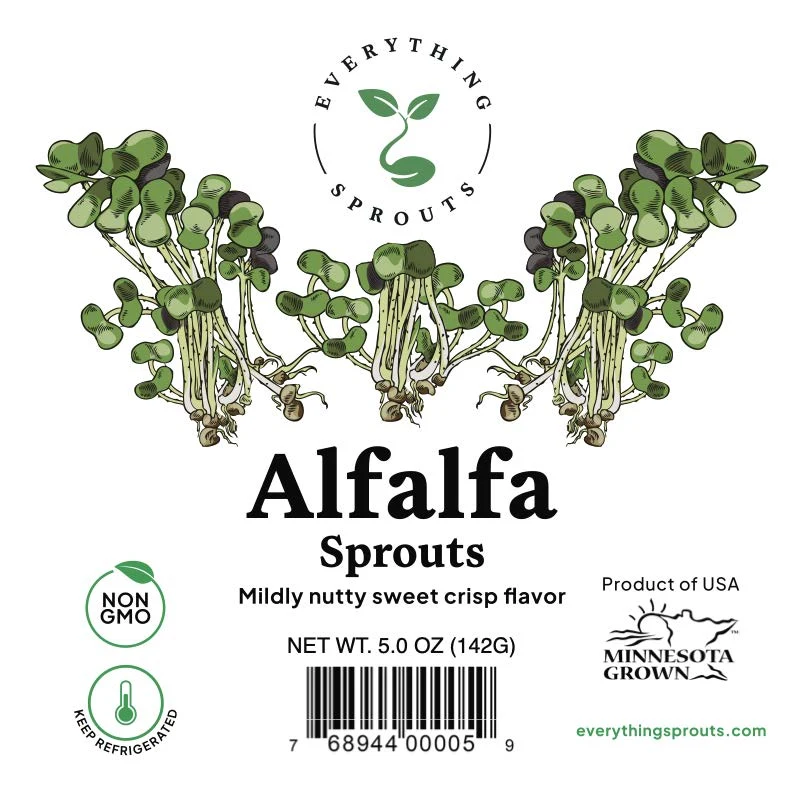
Alfalfa Sprouts E. coli and Salmonella Lawyer
Alfalfa sprouts, including recalled Calco and Everything Sprouts products
Chipotle Salmonella Lawyer
Jalapeño peppers grown in Sinaloa, Mexico
Were You Exposed to Salmonella?
Get a free case evaluation today. No fees unless we win.
Common Questions
Salmonella Lawyer FAQ
Answers to common questions about hiring a Salmonella lawyer, preserving evidence, medical concerns, and possible legal options.
Sources & Citations
Information on this page is compiled from the following authoritative sources:
Government Sources
- About Salmonella Infection
Centers for Disease Control and Prevention
- Symptoms of Salmonella Infection
Centers for Disease Control and Prevention
- Foodborne Illness Acquired in the United States: Major Pathogens, 2019
Centers for Disease Control and Prevention (2025)
- Salmonella (Non-Typhoidal) Fact Sheet
World Health Organization
- Get the Facts about Salmonella
U.S. Food and Drug Administration
- FoodNet 2024 Preliminary Data
Centers for Disease Control and Prevention (2026)
- IFSAC 2023 Annual Report
CDC, FDA, and USDA-FSIS (2026)
- PulseNet and Foodborne Disease Outbreak Detection
Centers for Disease Control and Prevention
- Salmonella Outbreak Linked to Jalapeños
Centers for Disease Control and Prevention
- Salmonella Outbreak Linked to Shell Eggs
Centers for Disease Control and Prevention
- Salmonella Outbreak Linked to Eggs (June 2025)
Centers for Disease Control and Prevention
- Outbreak Investigation of Extensively Drug-Resistant Salmonella in Moringa Powder
U.S. Food and Drug Administration
- Clinical Overview of Extensively Drug-Resistant Salmonella Newport with an NDM-1 Gene
Centers for Disease Control and Prevention
- Outbreak Investigation of Salmonella Linked to Jalapeño Peppers
U.S. Food and Drug Administration
- Outbreak Investigation of Salmonella Linked to Eggs
U.S. Food and Drug Administration
- Update on Restaurant Salmonella Outbreak
County of San Diego
Medical Sources
- Salmonella Infection — Symptoms and Causes
Mayo Clinic
- Long-Term Prognosis of Reactive Salmonella Arthritis
Annals of the Rheumatic Diseases
- Reactive Arthritis Following Salmonella Infection: A Population-Based Study
Scandinavian Journal of Rheumatology
This content is provided for informational purposes only and does not constitute legal advice. Information is current as of the date accessed. For the most up-to-date outbreak information, please consult official CDC and FDA websites.
Affected by Salmonella?We Can Help.
Tell our Salmonella attorneys what happened and ask whether you may have a claim. Your case review is free, and you don't need every answer before contacting us.